Gender Issues Showlist
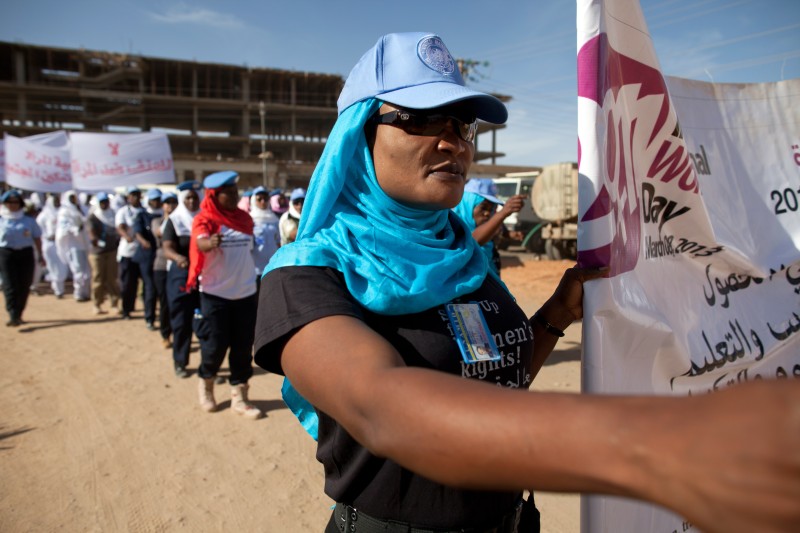
Women, Peace & Security
UNSCR 1325 calls on all parties to: protect and respect the rights of women and girls in conflict & post-conflict; increase women participation in all conflict resolution, peacekeeping and peace-building & to end impunity by prosecuting perpetrators of sexual and other violence on women and girls
index.php?option=com_content&view=category&id=56&Itemid=1913
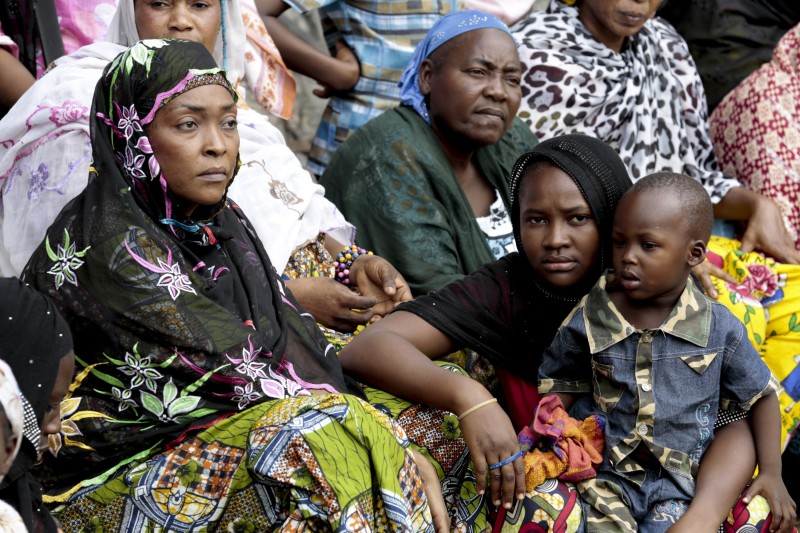
Human Rights of Women
Thirty six years after the adoption of CEDAW, many women and girls still do not have equal opportunities to realize rights recognized by law. Women are denied the right to own property or inherit land. They face social exclusion, “honor killings”, FGM, trafficking, restricted mobility, early marriage,...
index.php?option=com_content&view=category&id=44&Itemid=1908
Violence Against Women
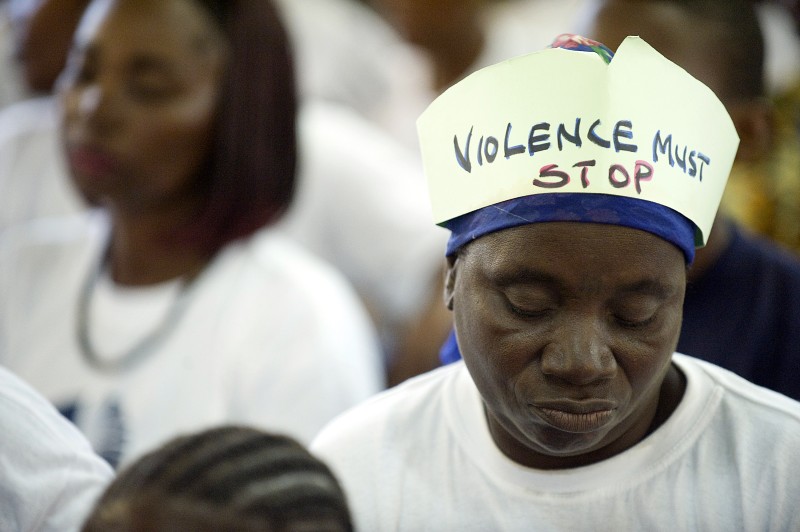
Violence against women is the most shameful human rights violation. Gender based violence not only violates human rights, but also hampers productivity, reduces human capital and undermines economic growth. It is estimated that up to 70 per cent of women experience violence in their lifetime
index.php?option=com_content&view=category&id=69&Itemid=1912
Political Participation & Leadership
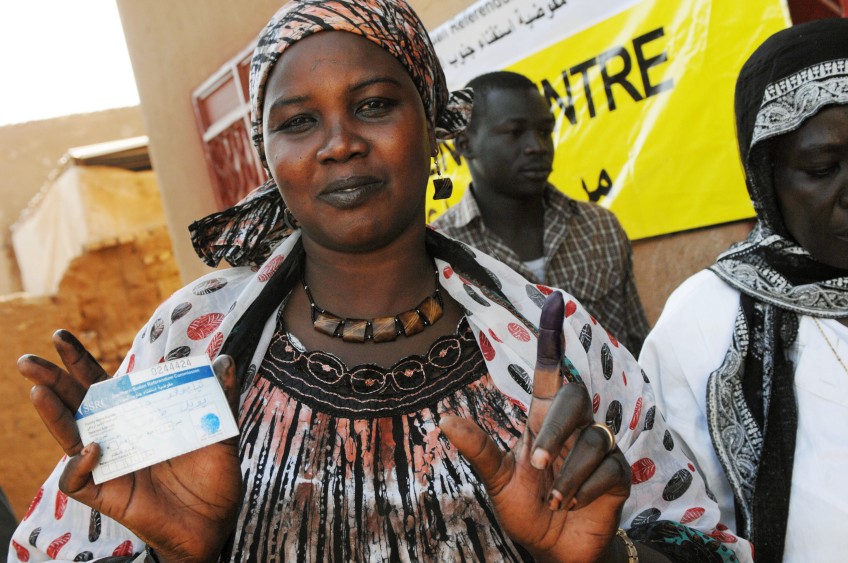
Where women are fully represented, societies are more peaceful and stable. Women political participation is fundamental for gender equality and their representation in positions of leadership must be a priority for all Africans governments.
index.php?option=com_content&view=category&id=65&Itemid=1911
Latest News
- Djibouti: Presidential Elections 2026
- Overview of Elections in Africa in 2025
- Overview of Elections in Africa in 2024
- Gabon: Presidential Election 2025
- Côte d’Ivoire: Presidential and Parliamentary Elections 2025
- Cameroon: Presidential Election 2025
- Egypt: Parliamentary Elections 2025
- Seychelles: Presidential and parliamentary elections 2025
- Burundi: Parliamentary Elections 2025
- Central African Republic: General Elections 2025
Overview of Elections in Africa in 2024
Chad: Parliamentary Elections 2024
On 29 December 2024, the voters of the Republic of Chad gathered to elect the 188 members of the new National Assembly. The election comes approximately 7 months following the presidential polls. It marked the first parliamentary election since 2011 and the military takeover in 2021.
Mozambique: Parliamentary and Presidential Elections 2024
On October 9, 2024, Mozambique held presidential, parliamentary, and provincial elections. Several groups in the country, poll observers from the European Union, and candidates from opposition parties pointed to irregularities during the vote. The crisis was compounded by the assassination of two leaders of the runner-up party. Thus, even before the election results were announced, numerous protests and strikes began to erupt due to several allegations of fraud and irregularities.
Namibia: General Elections 2024
In the 27-30 November 2024 general elections, Netumbo Nandi-Ndaitwah, leader of the SWAPO (South West Africa People’s Organisation) party and the only female candidate for the presidency, became the first female President of Namibia. Before this, she had been Vice President of Namibia, following the death of President Geingob in February. This is an important result for women’s political participation in African countries, and it follows different policies and legislation focused on increasing women’s opportunities in politics, such as the SWAPO 50% gender quota.
Tunisia: Presidential Elections 2024
The Republic of Tunisia held its presidential election on the 6th of October 2024. It was the first election since adopting the new constitution in 2022. Incumbent President Kais Saied secured his second term with 90.7% of the votes in the face of a 28.8% voter turnout and only 2 other contenders: Zouhair Maghzaoui and Ayachi Zammel.
2019 Elections Monitoring
Our aim with the monitoring of elections and political participation of women in Africa is to provide a deeper analysis, in the form of briefing papers that will incorporate primary sources: the views and voices of parties and voters on the ground. Through a table with statistical data, we will be specifically looking at the number of women (i) registered to vote, (ii) running as candidates, (iii) who are elected following the elections. Our analysis will also include an article on the gender specificities of the country where the election is taking place. We will be looking at the situation of women prior to the elections as well as the way that the elections impact the lives of women.
While the early 20th century saw queens ruling various African countries, notably Ethiopia and Swaziland, the early 1990s saw women appearing on the African political scene, notably in Liberia, Burundi and Rwanda with female presidents and prime ministers. We now hope that the second decade of this millennium will see the rise of true female political participation sweep through Africa, with an increased number of women taking part in the polls, being elected as candidates and playing a key role in shaping their own country’s future.
Objectives:
The objective is to provide an easy to use tool to follow the role of women in elections across Africa by covering the position of female candidates before and after the elections have taken place.The accessibility of current and reliable data on women’s political participation, access to leadership is even more difficult to find and compile. Without this information it is difficult to construct an objective view, analyze and interpret the position of women with regards to political participation. By providing this data in an accessible, easy to read framework (ie table) MEWC hopes to provide an information gateway to researchers, policy makers, students other women’s organizations and local voters...
2020 Election Monitoring
Our aim with the monitoring of elections and political participation of women in Africa is to provide a deeper analysis, in the form of briefing papers that will incorporate primary sources: the views and voices of parties and voters on the ground. Through a table with statistical data, we will be specifically looking at the number of women (i) registered to vote, (ii) running as candidates, (iii) who are elected following the elections. Our analysis will also include an article on the gender specificities of the country where the election is taking place. We will be looking at the situation of women prior to the elections as well as the way that the elections impact the lives of women.
While the early 20th century saw queens ruling various African countries, notably Ethiopia and Swaziland, the early 1990s saw women appearing on the African political scene, notably in Liberia, Burundi and Rwanda with female presidents and prime ministers. We now hope that the second decade of this millennium will see the rise of true female political participation sweep through Africa, with an increased number of women taking part in the polls, being elected as candidates and playing a key role in shaping their own country’s future.
Objectives:
The objective is to provide an easy to use tool to follow the role of women in elections across Africa by covering the position of female candidates before and after the elections have taken place.The accessibility of current and reliable data on women’s political participation, access to leadership is even more difficult to find and compile. Without this information it is difficult to construct an objective view, analyze and interpret the position of women with regards to political participation. By providing this data in an accessible, easy to read framework (ie table) MEWC hopes to provide an information gateway to researchers, policy makers, students other women’s organizations and local voters...
2021 Elections Monitoring
2021 Elections Monitoring
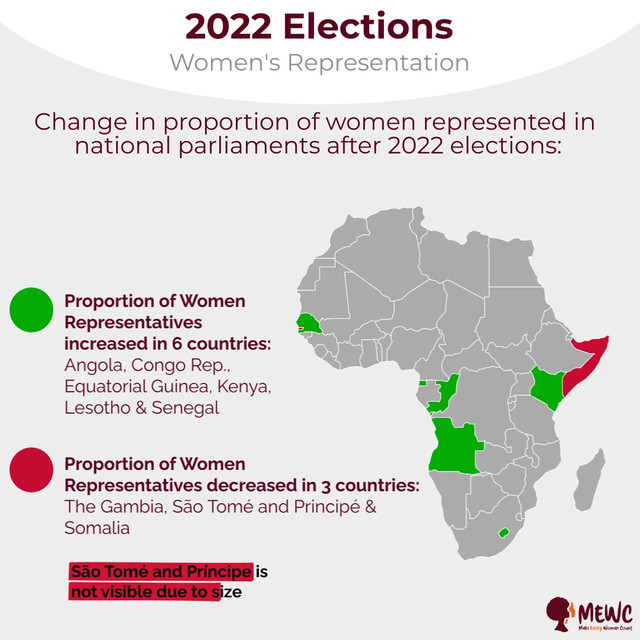
2022 Elections Monitoring
2022 Elections Monitoring
2024 Elections Monitoring
Our objective is to provide a user-friendly tool to track women's roles in African elections, focusing on female candidates' status before and after elections. Access to up-to-date and reliable data on women’s political involvement and leadership access is rare. Without such data, it's challenging to objectively view, analyze, and understand women's political positions. By offering this data in an accessible format (e.g., tables), MEWC aims to be an information resource for researchers, policymakers, students, women's organizations, and local voters.
Our goal in monitoring elections and women's political participation in Africa is to offer detailed analysis through briefing papers. We'll present statistical data on women's engagement in politics, specifically looking at (i) registered female voters, (ii) women running as candidates, and (iii) women elected post-election. This analysis will also cover gender dynamics in the election's country, examining women's conditions before and how the elections affect women's lives.